
A strong brand identity goes beyond logos and colors. It's the sum of every touchpoint—voice, visuals, and behavior—that shapes how people perceive and trust your organization. In 2025, audiences expect coherence across every channel: website, social, packaging, and customer service. This guide walks through how to build and maintain an identity that stands out and holds up over time.
Why Brand Identity Matters More Than Ever
In crowded markets, a clear identity cuts through noise. It helps customers recognize you, remember you, and choose you over alternatives. A cohesive brand also makes internal decisions easier: when everyone knows what the brand stands for, creative and strategic choices align without constant reinvention.
Strong identities are built on strategy first, then expressed through consistent visual and verbal systems. Skipping the strategy phase leads to aesthetics without meaning—and to rebrands that don't stick.
Strategy First
Start with positioning and audience. What do you stand for? Who are you serving? What problem do you solve, and how are you different? From there, develop a visual and verbal system that's flexible enough to scale across channels but consistent enough to be recognizable. Strategy documents—positioning statements, audience profiles, and tone-of-voice guidelines—give teams a single source of truth.
In 2025, authenticity and clarity matter more than ever. Brands that communicate clearly and act consistently build lasting relationships. Avoid generic claims; lean into what you truly do well and for whom.
Visual System: Logo, Color, Typography
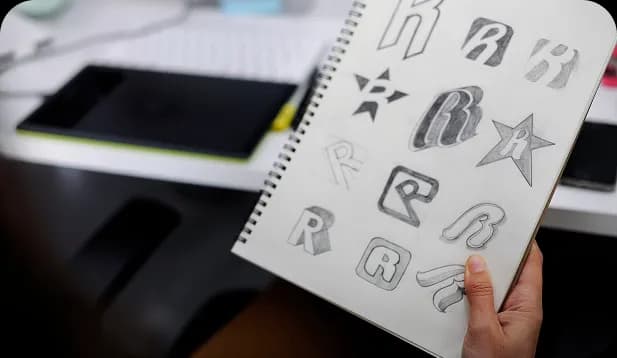
Your logo is the anchor, but the full visual system does the heavy lifting. Define primary and secondary colors, typefaces, and usage rules (e.g. clear space, minimum size, do's and don'ts). Limit the palette and font set so the brand stays recognizable without feeling chaotic. A style guide—even a simple one—ensures that marketing, product, and partners all use the same building blocks.
Test visuals at small and large sizes and across light and dark backgrounds. What works on a billboard may need adjustment for an app icon or social avatar.
Voice and Messaging
Brand voice is how you sound in copy, ads, and support. Is you brand formal or casual? Playful or serious? Define a few traits and document examples so writers and designers can replicate the tone. Messaging frameworks—key messages, proof points, and storylines—keep campaigns aligned with strategy.
When voice and visuals work together, the brand feels unified. When they clash, users sense inconsistency and trust erodes.
Rolling Out and Governing the Brand
Launching or refreshing an identity requires a plan: update key touchpoints first (website, main social profiles, core collateral), then roll out to the rest. Train internal teams and key partners on the guidelines. Make assets easy to find (brand portal or shared drive) so people use approved files instead of improvising.
Governance doesn't mean locking everything down. It means having clear ownership, review for high-visibility uses, and a process for exceptions so the brand evolves without fragmenting.
Conclusion
Building a strong brand identity in 2025 starts with strategy, then flows into a coherent visual and verbal system. Invest in positioning, guidelines, and governance so your brand stays recognizable, relevant, and trusted across every touchpoint.